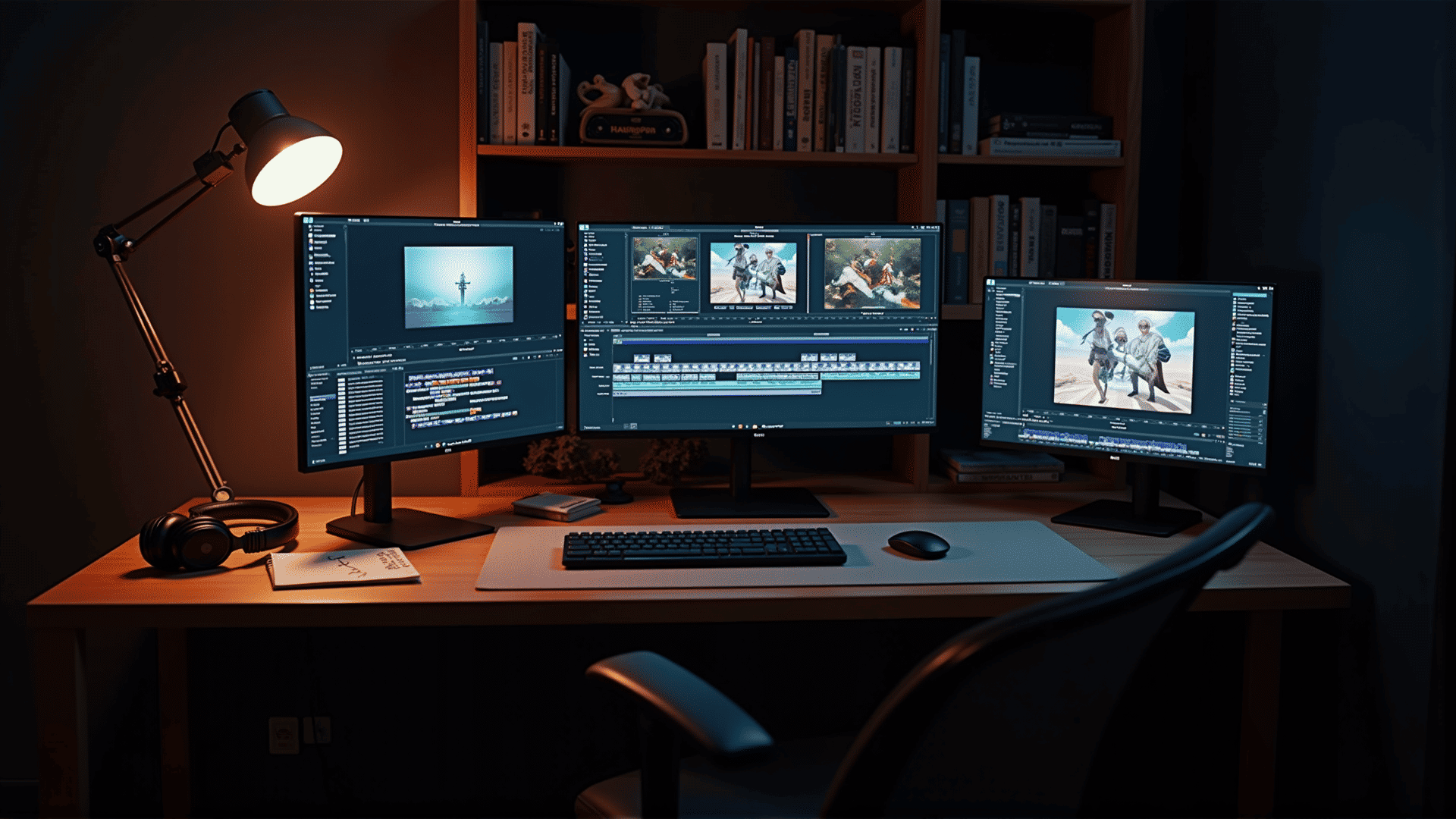
In the rapidly evolving world of digital media, staying ahead in video editing requires not only mastering the basics but also embracing advanced techniques that enhance the visual storytelling experience. With the perfect combination of creativity and technical expertise, content creators can transform raw footage into captivating narratives that resonate with audiences. Here, we delve into some advanced techniques that can elevate your editing prowess and refine your storytelling craft.
Enhancing Visual Appeal Through Advanced Effects
One of the key elements in advanced video editing is the use of visual effects (VFX) to create captivating scenes. This involves manipulating live-action footage and combining various elements to produce a seamless final product. For example, incorporating effects like motion tracking, color grading, and compositing can add depth and realism to your scenes.
Motion Tracking: This technique allows editors to track moving objects in a scene and apply digital effects that move in perfect sync. It’s particularly useful for adding text overlays, graphics, or other elements that need to appear anchored to the movement within the video.
Color Grading: Achieving the perfect mood and tone is crucial for storytelling. Advanced color grading techniques involve adjusting the color palette of a video, enhancing the atmosphere, and ensuring consistency across all scenes. This can dramatically alter the emotions conveyed to the audience.
Compositing: By layering multiple video clips, images, and effects, compositing creates complex scenes that are otherwise impossible to capture on camera. This technique is essential for adding CGI elements, creating backgrounds, or blending separate video elements into a convincing whole.
Leveraging Cutting-edge Tools
Modern editing software comes equipped with a plethora of tools that simplify complex editing tasks. Familiarity with these tools not only speeds up the editing process but also widens the creative possibilities.
Non-linear Editing Tools: These platforms allow editors to manipulate video and audio tracks in a non-sequential manner, providing greater flexibility and control over the final output. Programs like Adobe Premiere Pro and Final Cut Pro offer robust functionalities, including multi-camera editing and advanced timeline manipulation.
AI-assisted Editing: Artificial intelligence is revolutionizing video editing by automating tedious tasks such as sorting through hours of footage, syncing audio with video, and organizing media. AI tools can also aid in color correction and noise reduction, allowing editors to focus on the creative aspects.
Storytelling Techniques in Video Editing
Beyond technical skills, storytelling is at the heart of effective video editing. Advanced editors understand how to use their tools to craft engaging narratives.
Rhythm and Pacing: The tempo of a video can significantly affect how it is perceived by the audience. By skillfully manipulating the pacing of cuts and transitions, editors can build tension, excitement, or contemplation. Techniques like jump cuts or match cuts can create a specific rhythm that guides the viewer’s emotions.
Parallel Editing: This technique involves intercutting two or more sets of action occurring simultaneously, often building tension or drawing connections between seemingly unrelated sequences. It’s a powerful storytelling tool that creates dynamic and engaging narratives.
Visual Metaphor: Using imagery to represent abstract concepts, visual metaphors can add layers of meaning to a video. Whether through symbolic objects or thematic motifs, these visual cues can subtly enhance the underlying message.
Continuous Learning and Experimentation
The field of video editing is continually evolving, with new tools and techniques emerging regularly. Staying updated with the latest trends and experimenting with new methods can lead to unique and innovative outcomes.
Participating in workshops, online courses, and forums can expose editors to different editing styles and ideas. Engaging with a community of creatives allows for the exchange of knowledge and inspiration, fostering growth and continual improvement in one’s craft.
In summary, mastering advanced video editing involves a combination of technical skill, creative vision, and an enduring commitment to storytelling. By leveraging cutting-edge techniques and tools, editors can transform their projects into visually stunning and emotionally engaging works of art.